


Pipeline materials are crucial in the oil and gas industry, influencing costs and efficiency. Steel pipelines have long been the standard, but Reinforced Thermoplastic Pipe (RTP) is emerging as a viable alternative. RTP offers unique advantages, such as lightweight design and corrosion resistance.
In this article, we will explore the key differences between RTP and steel pipelines. You'll learn about their benefits, challenges, and the best applications for each material.
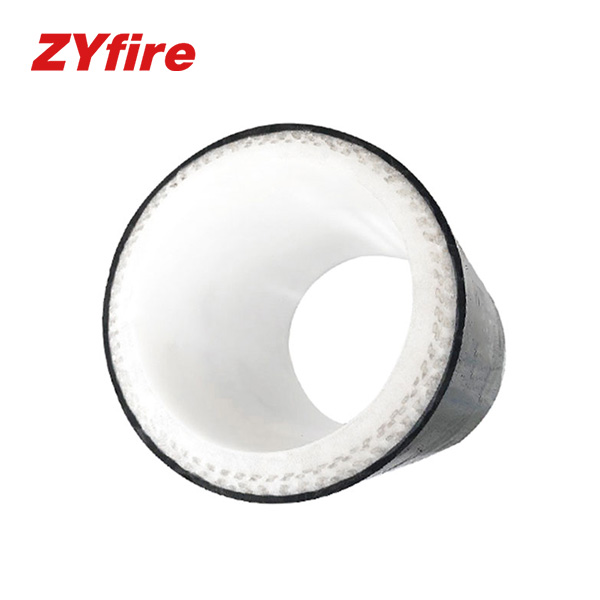
Reinforced Thermoplastic Pipe (RTP) is a high-performance composite material designed for a variety of pipeline applications. It consists of multiple layers, including a thermoplastic liner and reinforcing fibers such as aramid, glass, or carbon. This structure allows RTP to be lightweight, flexible, and corrosion-resistant, making it an ideal candidate for industries where these properties are crucial, particularly in oil and gas pipelines.
RTP’s composition includes:
Thermoplastic liner: Provides corrosion resistance and smooth flow.
Reinforcing fibers: These give the pipe strength, capable of handling high pressure without compromising flexibility.
Outer cover layer: Protects against external damage.
RTP is used across a wide range of pressures and environments, offering a durable solution that can withstand harsh conditions.
Steel pipelines have been the backbone of the oil and gas industry for decades, primarily due to their high strength and ability to handle extreme pressures. These pipes are made from carbon steel or other alloyed metals, which are capable of withstanding large internal pressures and high flow rates.
Steel’s popularity stems from its:
High pressure tolerance: Steel pipes can handle extreme internal pressures.
Durability: Steel is tough and can last many years with proper maintenance.
Widely tested technology: Steel pipelines have a proven track record in the oil and gas industry.
However, steel pipelines face significant challenges, particularly corrosion and rust, which require constant maintenance and lead to high long-term operational costs.
The key differences between RTP and steel pipelines are found in their material properties, weight, and flexibility. RTP is much lighter than steel, which makes it easier and cheaper to install. It also doesn’t suffer from the same corrosion problems that steel pipelines face. However, RTP might not always match steel in terms of high-pressure tolerance in some extreme applications.
| Feature | RTP | Steel |
|---|---|---|
| Weight | Lightweight, easy to handle and install | Heavy, requires heavy equipment |
| Corrosion | Naturally resistant to corrosion | Susceptible to rust and degradation |
| Flexibility | Flexible, suitable for complex routes | Rigid, difficult to adapt to terrain |
| Pressure Resistance | Moderate pressure tolerance | High-pressure resistance |
One of RTP’s most significant advantages is its lightweight and flexible design. These properties make it easier to transport, install, and handle compared to steel pipelines, which require heavy lifting equipment and labor. RTP’s flexibility also allows it to be laid in more challenging terrains, such as those prone to seismic activity or in areas where traditional installation would be difficult.
Easy to handle: RTP can be spooled, reducing transportation and installation time.
Flexibility: It bends easily, making it ideal for non-linear installation paths.
RTP stands out for its natural resistance to corrosion. Steel pipelines, on the other hand, suffer from rust and degradation over time when exposed to moisture or harsh chemicals. This corrosion requires expensive maintenance and regular inspections. RTP, with its thermoplastic lining, is resistant to many of the chemicals and environmental factors that damage steel, significantly extending its lifespan.
RTP: No corrosion, lower maintenance.
Steel: Corrodes when exposed to moisture and chemicals, requiring coatings or cathodic protection.
Although the initial cost of RTP may be higher, its long-term savings outweigh the upfront investment. RTP’s corrosion resistance means fewer repairs and lower maintenance costs. Additionally, its lightweight nature reduces transportation and installation costs. Over time, the total cost of ownership for RTP is significantly lower than for steel pipelines.
Lower maintenance: Reduced need for repairs and cathodic protection.
Faster installation: Easier handling and quicker setup lead to reduced labor costs.
While RTP is a fantastic option for many applications, it faces limitations in extreme high-pressure environments. Steel pipelines, with their ability to withstand higher internal pressures, are better suited for heavy-duty applications where pressure resistance is critical.
RTP: Suitable for medium to low-pressure environments.
Steel: Can handle higher pressure and extreme temperature conditions.
Steel pipelines, when properly maintained, can last for decades. RTP, while durable, may have a shorter lifespan in extreme conditions, particularly in high-pressure scenarios. RTP’s durability is also dependent on the quality of the materials used, and it may not be suitable for long-term use in some high-stress environments.
RTP’s ease of installation is a major advantage, but its flexibility can also be a downside. In extreme environments, RTP may face challenges such as abrasion and puncturing if not properly protected. Steel pipelines, on the other hand, offer higher durability but require more time and resources to install and maintain.
RTP: Requires careful handling during installation.
Steel: Installation is more rigid but durable.
RTP is increasingly being used in offshore and onshore oil and gas pipelines. Its lightweight and corrosion-resistant properties make it an excellent choice for challenging environments such as deep-sea installations and earthquake-prone areas. RTP has proven to be efficient in areas where traditional pipelines might fail due to corrosion or difficult terrain.
Steel pipelines still dominate in high-pressure, high-demand applications such as natural gas transport and major oil pipelines. Their ability to withstand extreme pressures and long distances makes them the ideal choice for large-scale infrastructure projects where durability and strength are paramount.
RTP technology continues to evolve, with new materials being developed to improve performance. Innovations such as multi-layer composites and advanced reinforcement fibers like carbon and aramid fibers are pushing RTP to be more durable and capable of handling higher pressures.
New materials: RTP’s composition is continually refined for improved performance.
Reinforced designs: New fibers are enhancing RTP’s strength.
Steel pipelines are also seeing advancements, especially in corrosion-resistant coatings and linings that extend their service life. These innovations are helping steel pipelines to stay relevant in industries requiring high pressure and durability.
Coatings: Advances in coating technologies are improving steel’s resistance to corrosion.
Higher-strength alloys: New alloys allow steel to withstand higher pressures.
RTP is a more environmentally friendly choice due to its lightweight nature, which reduces energy consumption during transportation. Additionally, RTP’s production process emits fewer greenhouse gases compared to steel production, making it a more sustainable option.
Lower carbon footprint: RTP’s manufacturing process is more energy-efficient.
Reduced emissions: RTP reduces the need for harmful coatings and chemicals.
Steel pipeline production is energy-intensive, with significant emissions and environmental impact. The extraction and processing of raw materials like iron ore and coal contribute to this. Steel pipelines also require coatings that may contain harmful chemicals, further increasing their environmental impact.
Energy-intensive production: Steel requires a substantial amount of energy to produce.
Environmental degradation: Steel’s lifecycle includes higher emissions.
When comparing RTP to steel pipelines, each material has its strengths. RTP is lightweight, corrosion-resistant, and cost-effective, especially in challenging environments. However, steel pipelines are still preferred for high-pressure systems and large-scale infrastructure projects.
As the oil and gas industry evolves, RTP offers a promising future, particularly in regions facing corrosion and installation challenges. For projects in corrosive or seismic areas, RTP may be the more efficient, cost-effective choice.
Anhui United Pipeline offers RTP solutions that provide long-term value, addressing key needs in challenging environments.
A: RTP (Reinforced Thermoplastic Pipe) is a lightweight, corrosion-resistant composite material, while steel pipelines are heavy-duty, durable, but prone to rust. RTP offers better flexibility and is ideal for challenging environments.
A: RTP provides lower maintenance costs, easier installation, and superior corrosion resistance, making it ideal for harsh conditions and long-term cost savings.
A: RTP is suitable for medium-pressure systems, but steel pipelines are preferred for extremely high-pressure applications due to their stronger resistance.
A: RTP’s lightweight design makes it easier to transport and install, reducing labor and equipment costs compared to heavy steel pipelines.
A: RTP offers a corrosion-resistant, flexible, and cost-effective solution for both offshore and onshore oil and gas pipelines, especially in seismic and corrosive regions.


