


Views: 0 Author: Site Editor Publish Time: 2025-10-21 Origin: Site


Sour service pipelines are crucial in transporting oil and gas but face harsh challenges. Corrosive agents like H2S and CO2 can weaken pipelines, leading to costly damage. In this article, we explore how PA and PVDF liners provide effective protection against these threats. You'll learn how these materials, along with reinforced thermoplastic pipe (RTP), ensure pipeline longevity and safety.
In the context of pipelines, "sour service" refers to environments that are exposed to hydrogen sulfide (H2S) and carbon dioxide (CO2), both of which are highly corrosive to metals and polymer materials. Sour service pipelines are typically used in oil and gas transportation where the presence of acidic gases accelerates corrosion. This puts immense pressure on the pipeline's integrity and requires effective solutions for mitigating the damaging effects of these corrosive agents.
Selecting the right lining material is essential to ensure the safety and longevity of pipelines in sour service environments. Proper liners act as a protective barrier between the pipeline material and the corrosive gases, preventing damage, leaks, and costly failures. In sour service, where harsh environmental conditions prevail, durable and resistant liners, like PA (Polyamide) and PVDF (Polyvinylidene fluoride), are indispensable.
Polyamide (PA) and Polyvinylidene fluoride (PVDF) liners are two of the most commonly used materials for pipeline protection in sour environments. PA offers a balance between flexibility and chemical resistance, making it ideal for many applications. PVDF, on the other hand, offers superior resistance to chemical permeation, especially in high-pressure conditions. Both materials provide the necessary strength and longevity for pipelines exposed to sour conditions, ensuring minimal maintenance and reduced downtime.
Corrosion in sour service is primarily driven by the presence of H2S and CO2, which react with pipeline materials, leading to material degradation and failures. H2S, in particular, accelerates the process of hydrogen-induced cracking (HIC) and sulfide stress cracking (SSC), both of which significantly weaken pipeline infrastructure. Over time, these corrosive agents cause materials to become brittle and prone to cracking.
Permeation is the process by which gases and liquids pass through the liner material, slowly degrading its integrity. In sour service environments, permeation of H2S and CO2 can lead to plasticization, swelling, and eventually failure of the liner. This is a particular concern under high-pressure conditions, where the gases are more likely to permeate the liner material, creating weak points that can cause pipeline rupture or leakage.
Liners made from PA and PVDF act as effective barriers against the permeation of corrosive gases like H2S and CO2. These liners prevent direct contact between the pipeline's steel structure and the corrosive gases, significantly extending the life of the pipeline. Furthermore, these materials maintain their structural integrity under high temperatures and pressures, making them suitable for both offshore and onshore applications.
It's crucial to evaluate both the chemical resistance and mechanical properties of liners before installation to ensure they perform optimally in sour service conditions.
PA materials, particularly PA11 and PA12, offer excellent chemical resistance to sour environments. They are especially effective in mitigating the effects of H2S and CO2 corrosion, making them ideal for pipelines exposed to these agents. PA's molecular structure provides a high resistance to swelling and degradation in the presence of corrosive chemicals, making it a reliable choice for sour service applications.
Polyamide liners, especially PA12, perform well under varying temperature conditions. They remain stable at moderate temperatures, making them suitable for pipelines exposed to fluctuating thermal environments. PA liners are commonly used in pipelines that carry oil and gas at temperatures above 55°C, where their resistance to thermal degradation is vital.
PVDF is highly resistant to chemical permeation, especially from acidic gases like H2S and CO2. This makes it a superior option in sour service applications where such gases are prevalent. PVDF's exceptional resistance to chemicals ensures that it retains its strength and durability even under the harshest conditions.
PVDF is known for its high mechanical strength and excellent flexibility. It performs well in both high-pressure and high-temperature environments. Additionally, PVDF is resistant to abrasion, further enhancing its suitability for use in pipelines that experience high fluid flow velocities.
While both PA and PVDF are effective liners for sour service, their performance varies based on specific application needs. PA is generally more cost-effective and performs well under moderate conditions. PVDF, however, offers superior resistance to permeation and is more durable in extreme environments. When considering cost, longevity, and resistance to permeation, PVDF often proves to be the better choice for high-risk sour service pipelines.
When selecting between PA and PVDF, consider the operating temperature, pressure, and the specific chemical environment of the pipeline to determine the most suitable liner material.
PA and PVDF liners offer long-lasting protection in sour service environments, significantly reducing the risk of corrosion, cracking, and other forms of damage. Their ability to resist permeation and degradation ensures that they maintain the pipeline's integrity over time, even under challenging conditions.
Though PVDF may come at a higher initial cost, its extended lifespan and superior resistance to corrosion make it a more cost-effective solution over the long term. PA, while more affordable, still provides an excellent solution for many sour service applications, balancing both performance and cost.
By using PA and PVDF liners, pipelines experience less corrosion-related damage and fewer maintenance needs. This leads to reduced downtime for repairs, allowing for more efficient and reliable operations, especially in critical industries like oil and gas.
Investing in high-quality liners like PA and PVDF can save significant maintenance costs and minimize the risk of operational disruptions caused by pipeline failures.
For aging pipelines suffering from corrosion, PA and PVDF liners can be used to rehabilitate and extend their lifespan. These liners can be installed in situ, eliminating the need for costly pipeline replacement and minimizing operational downtime.
In new pipeline installations, PA and PVDF liners are often the preferred choice for sour service environments. Their superior resistance to H2S and CO2 ensures that pipelines are protected from the outset, providing long-term durability and minimizing future maintenance.
Offshore pipelines are exposed to more extreme conditions, such as higher pressures and more aggressive chemicals. In these scenarios, PVDF liners are often preferred due to their superior chemical resistance. Onshore pipelines, while still subjected to sour service conditions, may benefit from the more cost-effective PA liners, depending on the specific operational requirements.
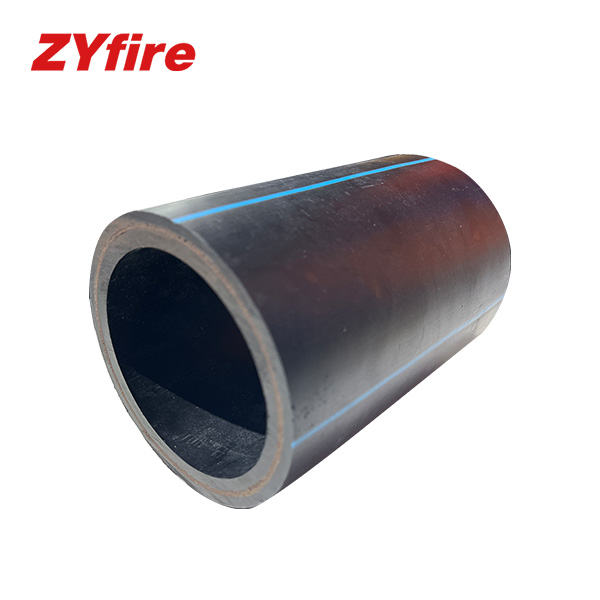
Reinforced Thermoplastic Pipe (RTP) is a robust and flexible piping solution commonly used in both onshore and offshore sour service applications. RTP pipes combine the advantages of thermoplastics with reinforcement materials like glass fiber, aramid fiber, and steel, making them ideal for high-pressure environments where corrosion resistance and flexibility are critical.
RTP pipes are highly compatible with PA and PVDF liners, as these liners provide additional protection against corrosive gases and fluids. When used in conjunction with RTP, these liners ensure that the entire piping system remains intact and functional even under extreme conditions.
RTP offers exceptional flexibility, allowing it to withstand harsh conditions typically encountered in deepwater offshore applications. Combined with PA and PVDF liners, RTP ensures the pipeline system's longevity, making it the ideal solution for transporting corrosive fluids and gases in both offshore and onshore sour service environments.
When considering RTP for sour service, ensure that the selected liner material complements the flexibility and durability of the pipe to prevent premature failure.
The installation of PA and PVDF liners requires precise handling to ensure optimal performance. Liner materials must be cut and installed in accordance with the manufacturer's guidelines to prevent wrinkles, gaps, or misalignments that could compromise their protective capabilities.
Regular inspection and monitoring are crucial to assessing the integrity of PA and PVDF liners. Dielectric testing and visual inspections are common methods used to monitor liner degradation. Early detection of damage can prevent costly repairs and extend the lifespan of the pipeline.
To ensure maximum performance, PA and PVDF liners should be maintained according to the recommended schedule. Regular inspections, cleaning, and assessments of the liner's physical properties can prevent issues such as cracking, swelling, or permeation that might lead to pipeline failure.
The development of new polymer materials continues to improve the performance of pipeline liners. Advances in nanotechnology and composite materials are expected to further enhance the resistance of liners to corrosive gases and permeation, increasing their durability in sour service environments.
As the oil and gas industry becomes more focused on sustainability, there is growing interest in eco-friendly liner materials. These materials offer not only superior performance but also a reduced environmental impact, aligning with the industry's increasing commitment to sustainable practices.
RTP technology is evolving, with manufacturers continuously improving its strength and resistance to harsh chemicals. Future RTP developments will focus on further enhancing corrosion resistance and reducing the environmental impact of their production and disposal.
| Category | Details |
|---|---|
| Sour Service | Pipelines exposed to corrosive agents like H2S and CO2, which weaken the material. |
| Role of Liners | Protect pipelines from corrosion and damage, ensuring longevity. |
| Liner Materials | PA (Polyamide) and PVDF (Polyvinylidene fluoride) are commonly used for their durability. |
| Corrosion Issues | H2S and CO2 cause cracking and degradation of pipeline materials. |
| PA Liners | PA resists corrosion, swelling, and thermal degradation. Suitable for moderate temperatures. |
| PVDF Liners | PVDF offers superior chemical resistance and durability under high-pressure and high-temperature conditions. |
| Benefits of Liners | Long-lasting, cost-effective, and reduce the need for frequent repairs. |
| Applications | Used in both new pipeline installations and rehabilitation of old pipelines. |
| RTP (Reinforced Pipe) | RTP is flexible, durable, and complements PA/PVDF liners for high-pressure environments. |
| Maintenance | Liners need proper installation and regular inspections to ensure effectiveness. |
| Future Trends | Innovations in materials, including eco-friendly options and enhanced RTP. |
PA and PVDF liners offer unmatched protection for pipelines in sour service environments. Their durability, resistance to corrosion, and ability to withstand high-pressure conditions make them the ideal choice for safeguarding pipeline infrastructure. Choosing the right liner material is essential to ensure pipeline safety and reliability. By selecting PA or PVDF liners, operators can extend the lifespan of their pipelines, minimize downtime, and reduce maintenance costs. Anhui United Pipeline provides high-quality RTP solutions that enhance pipeline safety and longevity in sour service applications.
A: RTP (Reinforced Thermoplastic Pipe) is a high-strength, flexible piping solution that provides excellent resistance to corrosion and permeation in sour service environments.
A: PA and PVDF liners are highly resistant to H2S and CO2 corrosion, ensuring pipeline longevity and minimizing maintenance costs in harsh sour environments.
A: RTP enhances pipeline safety by providing flexibility and superior corrosion resistance, particularly in high-pressure sour environments, when combined with PA and PVDF liners.
A: Yes, both PA and PVDF liners offer long-lasting protection, reducing the need for frequent repairs and minimizing downtime in sour service pipelines.


