


Views: 0 Author: Site Editor Publish Time: 2025-10-17 Origin: Site


Corrosive substances pose a constant challenge in many industries. How can we protect pipelines and systems from damage caused by these harsh elements? The answer lies in using advanced materials like Glass Fiber Tape combined with Reinforced Thermoplastic Pipe (RTP) technology.
In this article, we will explore how RTP enhances performance, offering key benefits and addressing potential challenges. You will learn about its corrosion resistance, durability, and the best applications for RTP in corrosive environments.
One of the most significant advantages of using glass fiber tape RTP for corrosive media is its exceptional corrosion resistance. Unlike traditional materials, which may degrade when exposed to strong acids, bases, or other corrosive substances, glass fiber tape is highly resistant to corrosion. The glass fiber provides a robust defense against the chemical degradation commonly encountered in environments like chemical processing plants, oil pipelines, and water treatment facilities.
RTP's reinforcing layer of glass fiber offers better chemical resistance than traditional steel or plastic piping. It prevents the long-term damage caused by corrosive substances, reducing the need for frequent repairs and replacements. This is a significant advantage in industries like oil and gas, where pipelines are regularly exposed to corrosive compounds such as brine, crude oil, and sulfuric acid.
Glass fiber tape RTP can withstand high temperatures, which is a crucial benefit when handling hot corrosive liquids or gases. The high-temperature stability of RTP makes it suitable for industries like chemical processing and oil refining, where systems operate under extreme heat.
While many materials may begin to degrade or warp under heat, glass fiber's ability to maintain its structural integrity makes it an excellent option in high-temperature environments. RTP technology can handle operating temperatures exceeding 200°C (392°F), ensuring long-term stability and minimal maintenance.
One of the standout features of glass fiber tape RTP is its exceptional strength-to-weight ratio. Despite being lightweight, the composite structure of RTP provides excellent tensile strength, making it ideal for industrial applications that demand both durability and ease of handling.
This characteristic of RTP is particularly beneficial during installation. The reduced weight of RTP compared to metal piping makes transportation and installation simpler and more cost-effective. In corrosive environments where durability is paramount, RTP's strength ensures that the system can bear high pressures without added bulk.
Glass fiber tape RTP minimizes the need for costly maintenance, a major concern in industries where pipelines are exposed to corrosive elements. Traditional materials often require frequent inspections, repairs, and replacements due to corrosion or degradation. In contrast, RTP offers a longer service life, reducing the frequency of these interventions.
By choosing RTP, businesses can lower their overall maintenance costs significantly. The robust nature of the material means fewer disruptions to operations, and it enhances the operational lifespan of the systems in which it is installed.
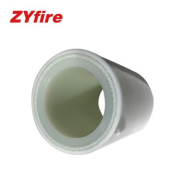
While RTP offers numerous benefits, one potential caveat is the sensitivity of the glass fibers during handling. The fiberglass used in RTP can be brittle, and mishandling during installation or maintenance can cause fibers to break, compromising the material's effectiveness.
To mitigate this issue, it is essential to handle glass fiber tape RTP carefully, using proper installation techniques and protective gear. Ensuring that installation personnel are adequately trained and equipped with the right tools can reduce the risk of fiber breakage and enhance the lifespan of the system.
Although glass fiber tape RTP excels in many corrosive environments, its performance can vary when exposed to extreme conditions. For instance, RTP may show diminished resistance in environments where temperature fluctuations are extreme or where highly aggressive chemicals are present.
In such cases, careful evaluation of the specific conditions is necessary before opting for RTP. When used in environments beyond its typical operating parameters, RTP might require additional reinforcement or protective layers to maintain optimal performance.
The upfront cost of RTP can be higher compared to traditional materials like steel or plastic pipes. While the long-term benefits of RTP, such as reduced maintenance and extended service life, make it a cost-effective choice in the long run, the initial investment may deter some businesses, particularly in less critical applications.
However, for industries where corrosion is a significant issue, such as oil and gas or chemical processing, the benefits of RTP far outweigh the initial costs. The enhanced durability and lower maintenance costs can offer substantial savings over time.
Steel pipes have long been the material of choice for transporting corrosive substances. However, steel is highly susceptible to corrosion, especially when exposed to harsh chemicals and moisture. Glass fiber tape RTP, on the other hand, offers superior corrosion resistance, even in the most corrosive environments.
In addition to its corrosion resistance, RTP is much lighter than steel, which reduces transportation and installation costs. RTP also requires fewer joints, minimizing the risk of leaks, which is crucial in applications where integrity is essential.
Plastic pipes like PVC and HDPE are often used for transporting liquids and gases, but they have limitations when it comes to high temperatures and aggressive chemicals. Glass fiber tape RTP outperforms plastic in these areas, offering higher strength, better heat resistance, and greater chemical stability.
While plastic pipes are generally cheaper and easier to install, they do not provide the same level of durability or long-term performance as RTP. In environments where long-lasting and high-performance solutions are needed, RTP is the better choice.
In the oil and gas industry, RTP plays a crucial role in transporting corrosive substances like crude oil, brine, and natural gas. These substances can be highly corrosive, and the durability of RTP ensures that pipelines remain intact for longer periods, reducing the need for frequent repairs.
RTP is also used in both offshore and onshore applications, where its resistance to corrosion and high strength are invaluable. Offshore pipelines, in particular, face harsh conditions, including saltwater exposure and high pressure, making RTP an ideal material for these environments.
Chemical processing plants handle a wide range of corrosive chemicals that can degrade traditional piping materials. RTP's resistance to acids, bases, and other corrosive agents makes it the ideal choice for such applications. By using RTP, chemical plants can significantly reduce the risk of pipeline failure due to corrosion and maintain continuous operations.
RTP also offers the advantage of being customizable, allowing it to be tailored to specific chemical applications. This makes it a versatile solution for various chemicals and processing systems.
Water treatment plants, especially those involved in desalination, deal with saline and briny water that can rapidly corrode standard piping materials. RTP, with its corrosion-resistant properties, is increasingly used in these facilities to transport treated water and brine.
The high durability and corrosion resistance of RTP make it well-suited for long-term use in desalination and water treatment applications. RTP's ability to withstand harsh environments ensures a reliable, efficient water treatment process.
| Feature | Description |
|---|---|
| Material | Reinforced Thermoplastic Pipe (RTP) combining thermoplastic resin and glass fiber. |
| Corrosion Resistance | RTP offers superior resistance to corrosive substances, ideal for harsh environments. |
| Temperature Durability | RTP can withstand high temperatures, making it suitable for industries with elevated heat levels. |
| Strength-to-Weight Ratio | RTP is lightweight yet strong, reducing installation complexity and handling costs. |
| Maintenance Cost | Long-term cost savings due to minimal corrosion and durability, lowering repair and replacement needs. |
| Industries | Used in oil and gas, chemical processing, water treatment, and more for transporting corrosive media. |
| Customization Options | RTP can be customized based on specific material specifications and environmental conditions. |
| Initial Costs | RTP may have higher initial costs, but its long-term performance offers significant savings. |
When selecting the right RTP for corrosive media applications, it's important to consider the material specifications and customization options. Factors such as the type of corrosive substance, temperature conditions, and pressure requirements should guide the choice of RTP.
RTP manufacturers offer various customization options, including fiber type and resin selection, to ensure that the product meets specific environmental conditions. Customization ensures that the RTP system is optimized for the particular needs of the application, providing enhanced performance and longevity.
Although RTP may have a higher initial cost, its long-term cost-effectiveness cannot be overstated. The reduced need for maintenance and replacement, combined with the durability and performance of RTP, makes it a wise investment for industries dealing with corrosive media. The total cost of ownership, including installation, maintenance, and operational savings, is significantly lower than traditional materials.
In conclusion, Glass Fiber Tape RTP offers key benefits like superior corrosion resistance, high-temperature durability, and reduced maintenance costs. Despite challenges like higher initial costs and sensitivity to extreme conditions, RTP is a strong choice for industries such as oil and gas, chemical processing, and water treatment. Anhui United Pipeline provides high-quality RTP solutions that deliver long-term value, helping businesses ensure reliable, cost-effective performance in corrosive environments.
A: RTP (Reinforced Thermoplastic Pipe) combines thermoplastic resin and glass fiber, offering superior resistance to corrosion and high temperatures, making it ideal for handling corrosive substances.
A: Glass fiber tape improves RTP's structural integrity, providing better tensile strength and resistance to harsh chemicals and extreme conditions.
A: RTP is widely used in industries like oil and gas, chemical processing, and water treatment due to its durability and resistance to corrosion.


